
Table of Contents
London is dazzling, historic and endlessly exciting, but it is no secret that the city can be hard on your wallet. The good news is that with a clear idea of London travel costs, you can plan a trip that feels luxurious without the luxury London Travel Cost tag.
From what you’ll typically pay for a hotel to everyday expenses like buses, meals and museum tickets, this guide shows you exactly how expensive London is to visit and where you can trim your budget without missing out.
What is the London travel Cost for a visit?
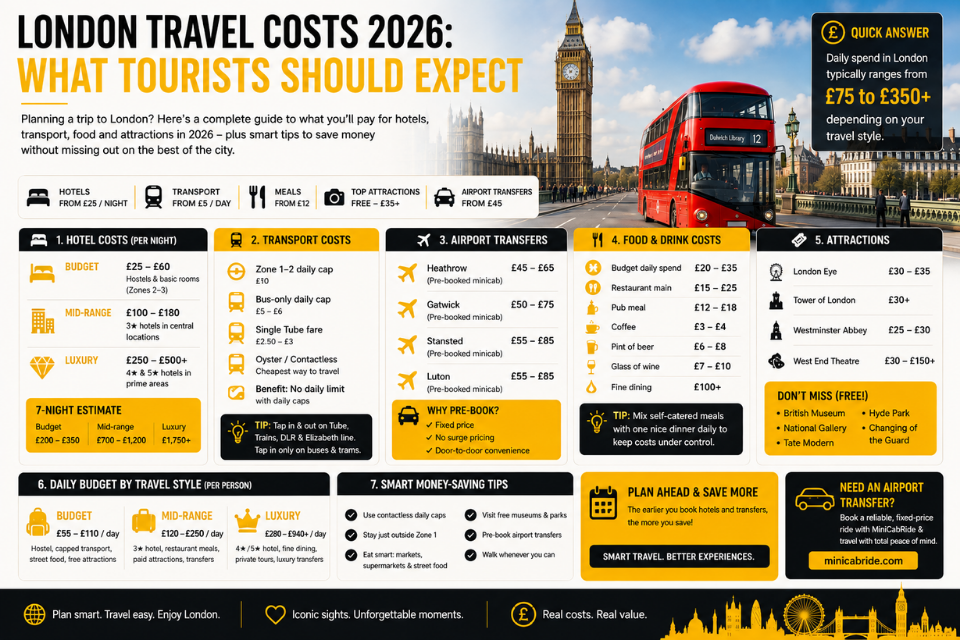
If you are looking for the London Travel Cost, Here’s What to expect. Yes, London is more expensive than many European capitals, but it is far from impossible to enjoy on a sensible budget. Most tourists find their daily London Travel Cost lands somewhere between £75 for a frugal trip and £350 or more for a comfortable mid-range to luxury experience. The biggest budget drivers are usually:
- Accommodation, especially in central zones.
- Transport, including airport transfers and daily travel.
- Food and drink, from quick bites to sit-down meals.
- Attractions, with a mix of free museums and paid landmarks.
Knowing these categories helps you decide where to splurge and where to save..
What Does a Hotel in London Typically Cost?
Your accommodation bill depends on your travel style, preferred area, and time of year. As a rough London travel cost for a hotel guide in 2026:
- Budget travelers can find hostel beds or basic private rooms for around £25 to £60 per night, often in zones 2 and 3 with good Tube links.
- Mid-range tourists typically spend £100 to £180 per night for a three-star hotel in areas like King’s Cross, Paddington or Victoria.
- Luxury stays in four- and five-star hotels in Westminster, Covent Garden or South Bank often start at £250 per night and can exceed £500 in peak season.
For a seven-night trip, you might budget:
- Around £200 to £350 for a budget stay
- £700 to £1,200 for a mid-range hotel
- £1,750 and above for a luxury experience
Booking early & staying just outside Zone 1 can cut these figures significantly while keeping you well connected.
Transport: London Travel Costs for Tourists
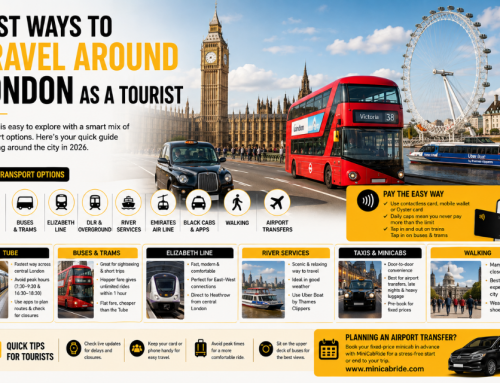
London’s public transport network is extensive and efficient, covering the Tube, buses, trains, trams, river services and ride-hailing options. For most visitors, the Tube and buses will do most of the heavy lifting.
Key points to keep in mind:
- Using an Oyster card or contactless payment is the cheapest way to travel around as a tourist.
- Daily caps mean you never pay more than a set amount per day for unlimited travel within your chosen zones.
- In 2026, a typical Zone 1 to 2 daily cap sits around £8 to £10
- Bus-only travel is even cheaper, at roughly £5 to £6 per day.
- Single Tube fares in central London usually cost between £2.50 and £3 with contactless, depending on distance and time of day.
London bus travel is particularly budget-friendly. A single bus journey costs a flat fare, and the Hopper fare lets you make unlimited bus and tram journeys within one hour, which effectively reduces your per-trip cost if you are hopping around a neighborhood.
For multi-day sightseeing, daily contactless caps are often simpler and cheaper than buying individual tickets or seven-day Travelcards.
What is London Travel Cost for Airport Transfer?
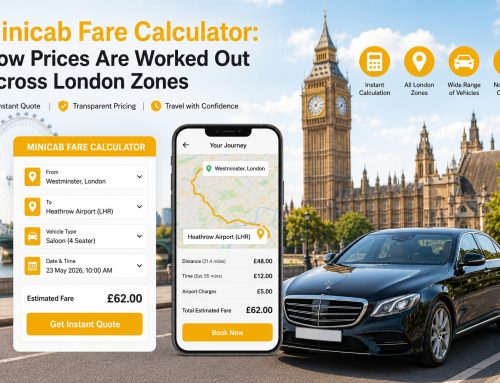
Airport transfers are one area where London Travel costs can catch people out. Arriving at Heathrow, Gatwick, Luton, City Airport, Stansted, you will have several options: Tube, Elizabeth line, express trains, coaches, taxis and pre-booked minicabs. Public transport is the cheapest, but after a long flight with bags, it does not always feel like the best value.
Typical fares into central London in 2026:
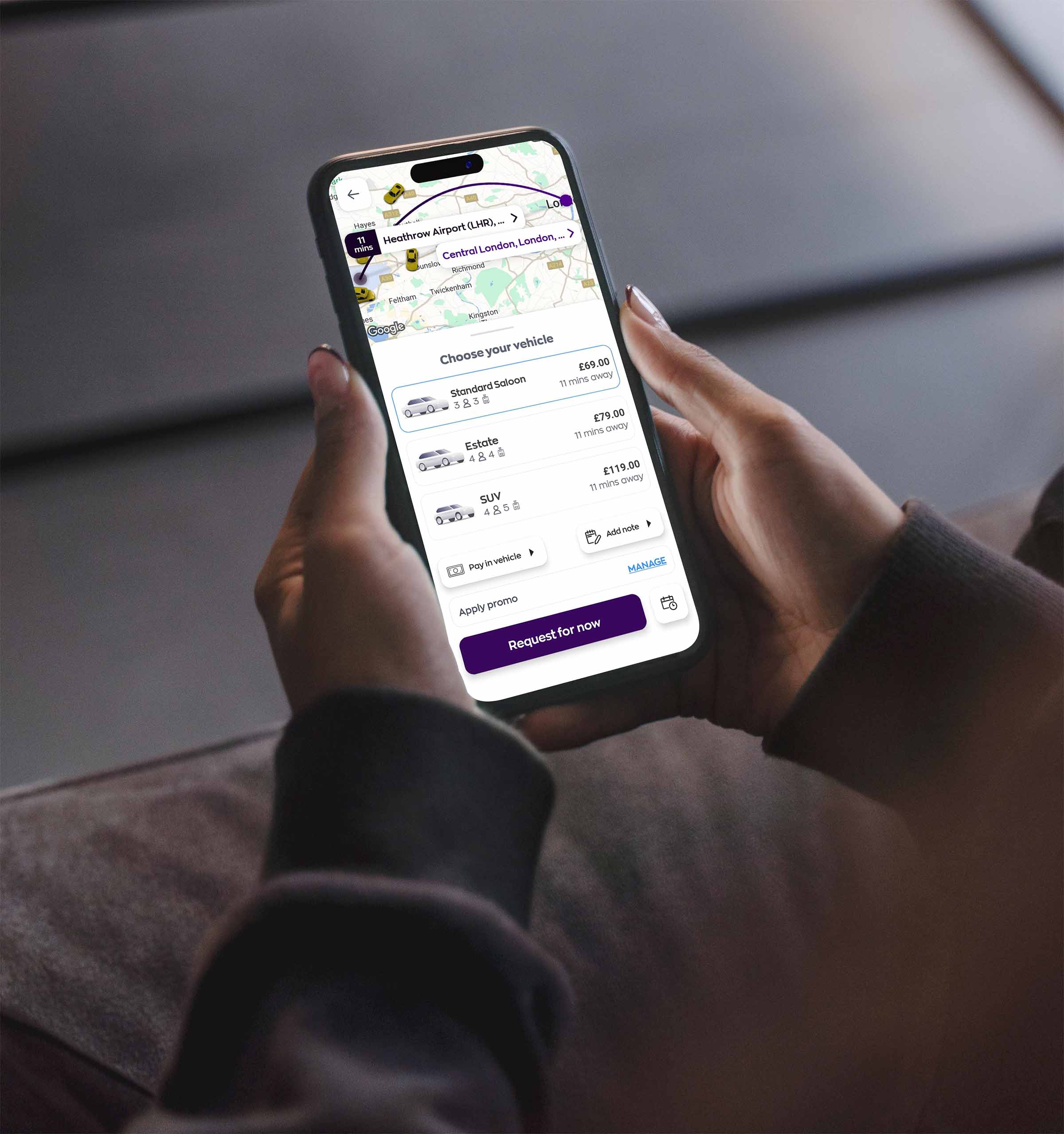
- Heathrow: around £45–£65 for a pre-booked standard saloon; £60–£90+ for an on-demand black cab
- Gatwick: often £50–£75 pre-booked>
- Stansted and Luton: usually £55–£85 pre-booked, depending on vehicle type and time of day.
Pre-booked taxis generally undercut on-demand taxis and remove the uncertainty of surge pricing or queuing at the rank, which is why many visitors choose to book ahead rather than hail on arrival.
Partner note: This guide is produced in partnership with MiniCabRide, an airport transfer booking service. If you’d like to lock in a fixed-price, pre-booked transfer with door-to-door pickup, you can book directly through them, but the pricing and comparisons above reflect the broader market, not just their rates.
Food and Drink: What to Expect to Pay
Food costs in London vary wildly depending on where and what you eat. You can keep things very affordable or go all out, sometimes within the same day.
A rough idea of typical prices:
- Budget daily food spend: £20 to £35 using supermarkets, street food markets and affordable chains
- Mid-range restaurant main course: £15 to £25 per person
- Pub classics like fish and chips or burgers: £12 to £18
- Coffee: £3 to £4
- Pint of beer in a central pub: £6 to £8
- Glass of wine: £7 to £10
- Fine dining: easily £100+ per person in high-end or Michelin-starred restaurants
A smart approach is to mix self-catered breakfasts, casual lunches and one nice dinner per day, which keeps your food bill under control while still letting you enjoy London’s food scene.>
London Travel Cost for Attractions and Activities
One of London’s best-kept budget secrets is how much you can do for free. The city’s major museums and galleries, including the British Museum, National Gallery, Tate Modern and Natural History Museum, do not charge entry fees, though special exhibitions may London Travel cost extra. You can also enjoy:
- Royal parks such as Hyde Park, Regent’s Park and Greenwich Park
- Changing of the guard ceremonies
- Walks along the Thames and across iconic bridges
Paid attractions do add up, so it helps to plan a few in advance:
- London Eye: around £30 to £35
- Tower of London: £30+
- Westminster Abbey: £25 to £30
- West End theatre tickets: from £30 for upper-circle seats to £150+ for premium stalls
A sensible daily attractions budget might be £0 to £20 for free-heavy days, £20 to £40 for moderate sightseeing, and £50+ for days packed with premium experiences.
Sample Daily Budgets by Travel Style
Travel style Daily budget (per person)What’s included :
- Budget £55 – £110 Hostel bed, self-catering or market meals, capped public transport, mostly free attractions
- Mid-range £120 – £250 Three-star hotel, restaurant meals, some paid attractions, occasional taxis or pre-booked transfers
- Luxury £280 – £940+ Four & five-star hotel, fine dining, premium theatre seats, private tours, chauffeur-driven transfers.
For a typical five-day trip, this translates to roughly:
- £275 to £550 for budget
- £600 to £1,250 for mid-range
- £1,400 to £4,700 or more for luxury, excluding flights
Read Also : Best Areas to Stay in London for Tourists
Money-Saving Tips for London
You can trim your overall trip budget without feeling like you are missing out:
- Prioritize free museums, galleries and parks
- Use contactless daily caps instead of single tickets
- Stay in well-connected areas just outside Zone 1 where hotels are cheaper
- Eat one main meal per day at a restaurant and fill the rest with markets, supermarkets and street food
- Pre-book airport transfers rather than hailing on arrival, and split the fare between travelers to lower the per-person London travel cost
Planning Your Trip with Confidence
Once you have a realistic sense of what a trip to London actually costs, planning becomes far less stressful. London is undeniably pricey, but its wealth of free attractions, efficient public transport and wide range of accommodation options mean there is a workable itinerary for almost every budget.
A few questions come up often when people start planning.
How much does a week in London travel cost?
For one person, London travel costs are expected to be roughly £275–£550 for a budget trip, £600–£1,250 for a mid-range trip, and £1,400+ for a luxury trip over five days — scale up proportionally for a full week, excluding flights.
Is public transport expensive?
Not really. Everyday contactless capping costs range from £8 to £10 for Zones 1 & 2, and bus-only journeys could be capped at about £5 to £6 daily, which is comparable to other European cities.
What’s the cheapest way in from the airport?
Public transport (Tube, Elizabeth line, or coach) wins on price, though pre-booked minicabs offer a fixed fare and door-to-door convenience for £45–£85 depending on the airport, and are usually cheaper than hailing an on-demand taxi. And yes, you can absolutely visit on a tight budget – free entry to major museums like the British Museum, Tate Modern and National Gallery, capped transport fares, and self-catered meals can bring a daily spend down to around £55–£110 per person.
By mapping out your likely spend on accommodation, transport, food and activities, and by securing key elements such as airport transfers in advance, you can enjoy the city without constant money worries.
Understanding these London Travel costs upfront lets you make informed choices. With a clear daily budget and a sensible mix of public transport, pre-booked transfers and free attractions, you can focus on what really matters, exploring one of the world’s greatest cities.